Cut: never compromise
A diamond doesn't create light. It only reflects it, and the cut decides whether the stone works like a room full of mirrors or a leaky bucket. A well-cut diamond catches light, bounces it internally, and fires it back out the top. A poorly cut one leaks it out the bottom and sides and looks dull no matter what the rest of the certificate says. A smaller, beautifully cut stone will outshine a bigger, badly cut one every single time.
The GIA grades cut on rounds as Excellent, Very Good, Good, Fair, and Poor; IGI calls its top grade Ideal. Hold out for the top grade on either report. For fancy shapes, where there's no formal cut grade, hold out for Polish and Symmetry grades of Excellent. This is the one C where the answer never changes.
Color: the sweet spot
Color is graded on the absence of color, from D (colorless, most expensive) down through the alphabet. Here's the trade secret: the value lives at the top of Near Colorless, grades G and H. Those stones read icy white to the naked eye and cost dramatically less than D through F, where you're paying a real premium for a difference nobody can see once the stone is set.
Going yellow or rose gold with the band? You can drop to I or J, still Near Colorless. The warm metal makes the faint tint invisible and frees budget for a better cut or a bigger stone.
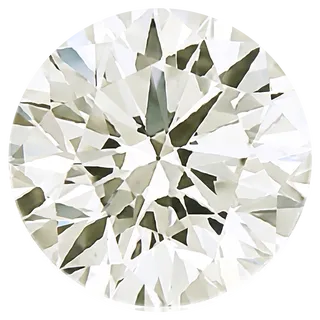 K
K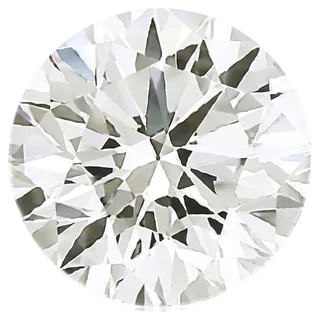 J
J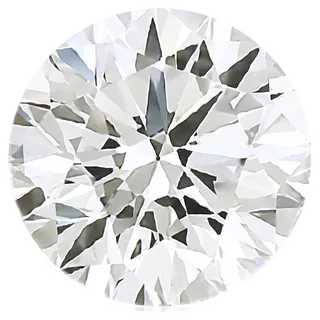 I
I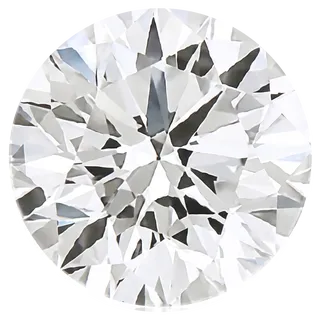 H
H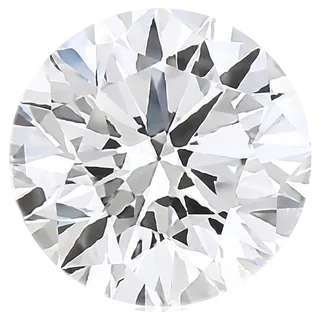 G
G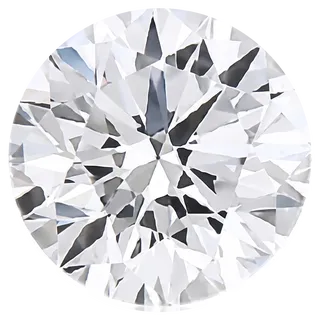 F
F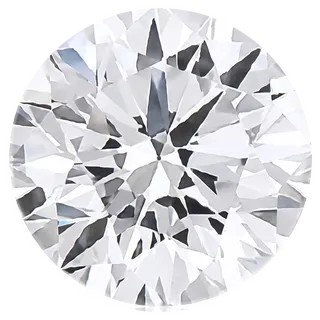 E
E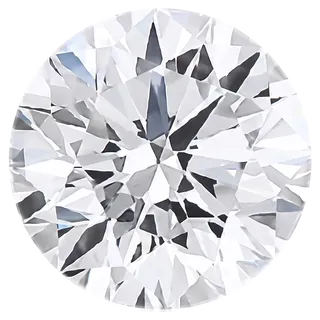 D
DK through D, face up. The tint is easy to name at K and J, then it thins out, and by the middle of the row there's nothing left to point at. The pair with the gold labels is the sweet spot, which is the whole argument for not buying the top of the scale.
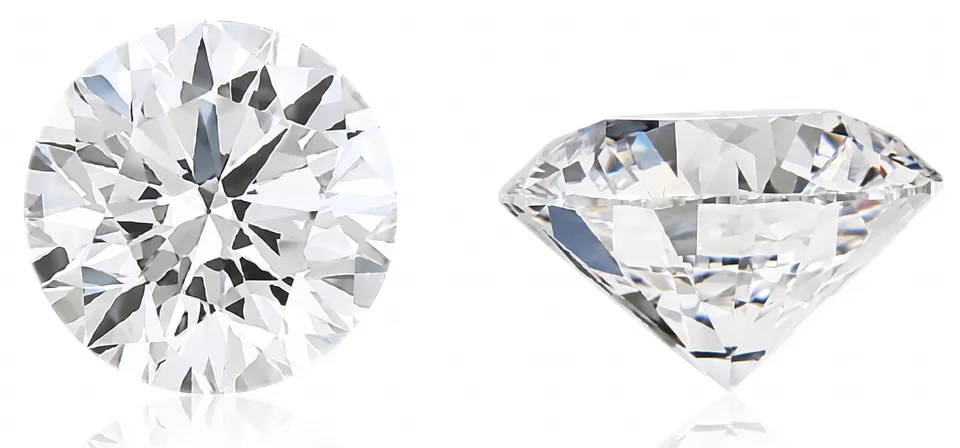
Clarity: eye-clean wins
Clarity grades the natural imperfections inside and on the stone, from Flawless down to Included. The only concept that matters at the counter is "eye-clean": no flaws visible without magnification. The recommendation is VS2 or better, which reads eye-clean almost every time. If you're set on a bigger stone or a lower price, an eye-clean SI1 can save thousands over a Flawless stone for a difference you'll never once notice. Just know SI1 does not always come eye-clean, so study the photos or ask before you buy.
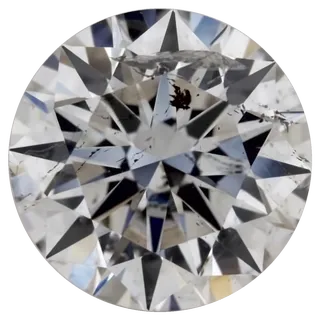 I1
I1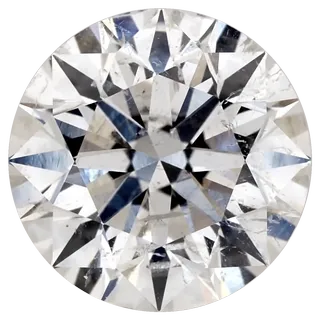 SI2
SI2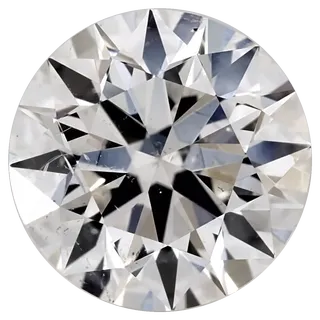 SI1
SI1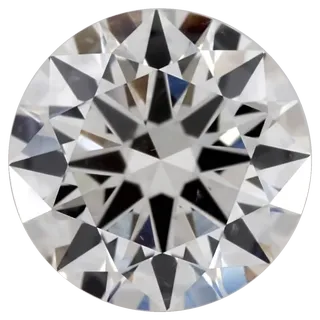 VS2
VS2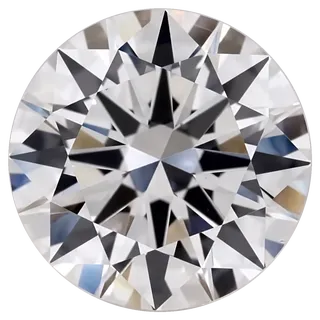 VS1
VS1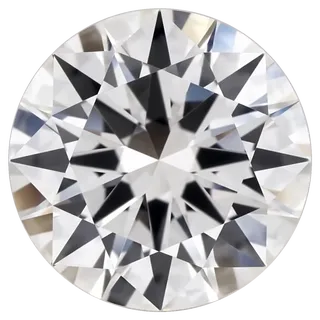 VVS2
VVS2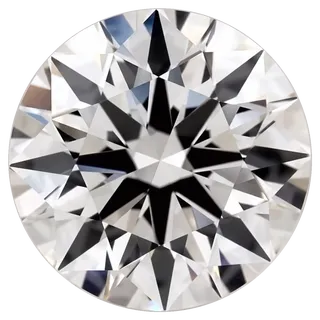 VVS1
VVS1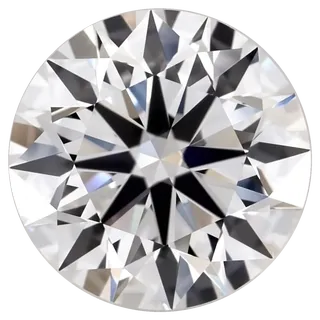 IF
IFI1 up to IF, all at the same size. I1 is what "included" means, SI2 is where the marks stop hiding, and SI1 is where they start showing up. VS2 carries the gold label because that's the target. Past it the last four are a wash to the naked eye, which is the point: paying up there buys you nothing you can see.
Verify eye-cleanliness yourself. In a store, ask to see the stone in natural light, away from the spotlights designed to make everything sparkle. Online, comb the 360-degree video for dark spots or cloudiness. And know this trick: an inclusion sitting near the edge of the stone can often be hidden under a prong once it's set. That's shopping well.
Carat: buy under the magic sizes
Carat measures weight, and prices don't climb smoothly with it. They jump at the magic sizes: the half carat, the full carat. So buy just under them. A 0.90 carat stone runs about a quarter less than a 1.00 and looks virtually identical; the physical difference between a 0.90 and a 1.00 round is about 0.2 millimeters. Lock in your cut, color, and clarity first, then spend what's left on the biggest weight that lands just shy of a magic size: 0.90 to 0.98 instead of 1.00, or 1.30 to 1.45 instead of 1.50.
Excellent cut. G or H color. VS2 or better clarity, verified eye-clean. Carat just under the magic sizes. That combination buys the most sparkle per dollar available anywhere, and it's the recipe to run in every search filter before you spend a dime.
Hearts and Arrows: a sanity check
Go deep enough into diamond forums and you'll meet Hearts and Arrows: a pattern that appears when a round brilliant is cut with such extreme symmetry that, through a special scope, the crown shows eight perfect arrows and the pavilion shows eight little hearts. It's a genuine badge of technical excellence. It's also invisible to the naked eye.
Treat it like a high-performance engine spec: nice to know, but what you care about is how it drives. She'll show her friends the sparkle, and the scope stays at the jeweler's. If a stone makes your heart race in the light, that's your answer. Read the certificate for the grades, and don't pay extra for a pattern only a scope can see.
Choosing the shape
The 4Cs describe quality. Shape describes character, and it's the first thing anyone notices. The round brilliant accounts for roughly two-thirds of all diamonds sold, and it earns it: 58 facets engineered for maximum brilliance, timeless, never out of style. Everything else is a "fancy shape," usually priced lower per carat, and choosing one is about finding the silhouette that tells her story.
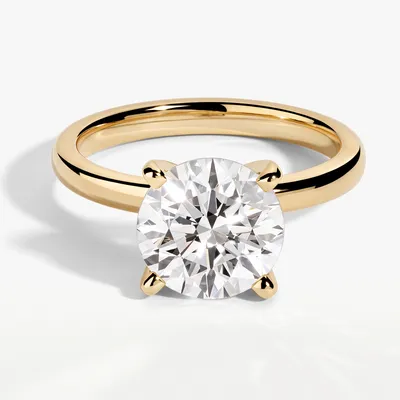
Round brilliant
The sparkliest shape there is, and the default for a reason. Classic, and safe in the best sense.
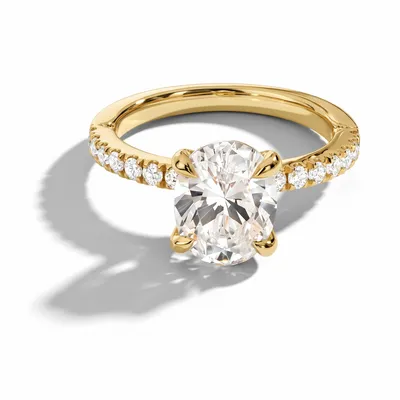
Oval
An elongated round: slims the finger and sparkles nearly as hard, while looking larger than a round of the same weight.
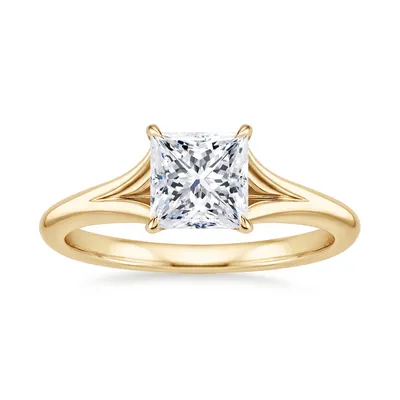
Princess
Square with sharp corners and serious sparkle, often at a lower price than a round of the same weight.
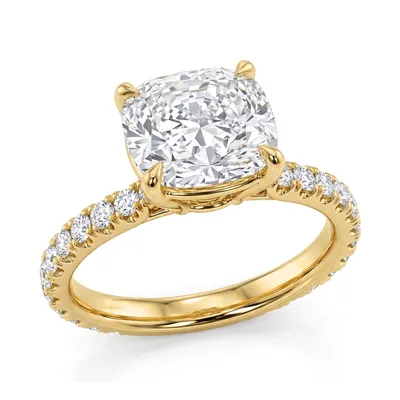
Cushion
A pillow-soft square, beloved for centuries. Big facets and romantic flashes of fire, with a vintage warmth.
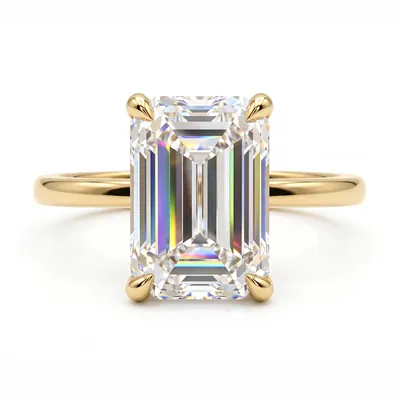
Emerald
Long elegant lines and a hall-of-mirrors effect that prizes clarity over sparkle. Architectural, Art Deco chic.
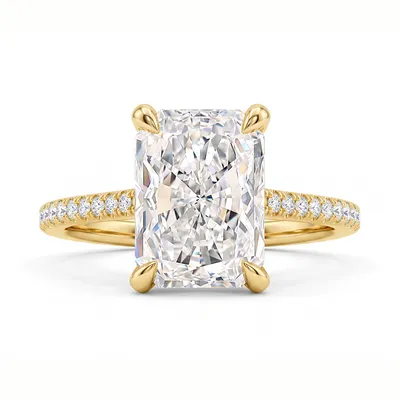
Radiant
The outline of an emerald with the faceting of a brilliant, so it throws light like a round in a rectangle's frame.
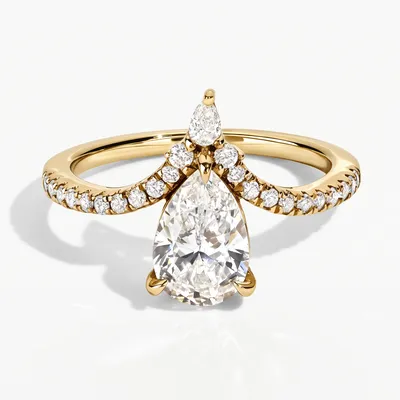
Pear
The teardrop. Distinctive, and another finger-elongating shape for the individualist.
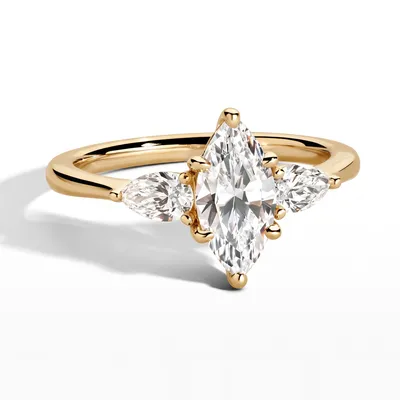
Marquise
The largest face-up area of any shape, so it reads dramatically bigger per carat. A statement.
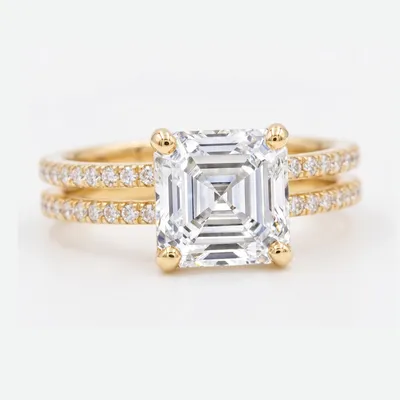
Asscher
A square step cut from 1902 with an almost hypnotic pull. For the vintage soul.
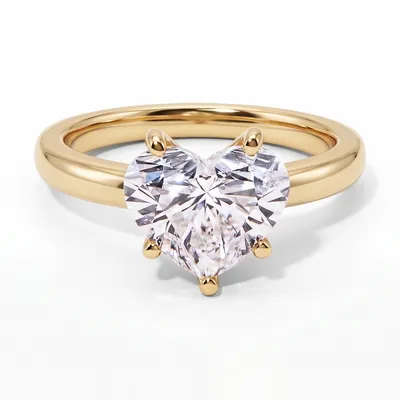
Heart
The romantic's shape, and the least forgiving. It wants a skilled cutter and enough size for the cleft and the lobes to read, so it's a poor pick at the small end.
Old mine cut
The hand-cut antique, made to glow by candlelight. One-of-a-kind character for the true romantic.
Questions we hear the most
Is a D color, Flawless diamond ever worth it?
Only if owning the top of the certificate matters to you for its own sake. On the hand, in real light, a G color VS2 with an Excellent cut looks the same, and the difference in price buys a photographer or a much bigger stone.
Do the sweet spots change for lab-grown stones?
The grades work identically. The difference is that lab pricing makes higher color and clarity grades cheap enough that you can often afford D-F and VS1 territory without stretching. Cut discipline stays exactly the same: Excellent, always.
Grades set. Now the architecture and the stone questions: Part 3, Metal, Setting, and the Stone, where platinum meets 14k and the lab-grown question gets a straight answer.
The sweet spots, saved to your plan.
Give every stone you're weighing its own row in the free app's Ring Studio: shape, grades, price, and cert number. The compare view puts your shortlist side by side.
Open the Ring Studio